SLE-API

Designing a preventative burnout system for modern workplaces


Designing a preventative burnout system for modern workplaces


SLE-API was a conceptual enterprise created in response to a university brief focused on designing a new product or service that addressed a present-day real-world problem through a human-centred design approach.


Rather than approaching the project as a simple app concept, I used it as an opportunity to explore systems thinking, behavioural design, and digital wellbeing through the lens of UX/UI design.


While the project was never developed into a real-world product, it became one of the most influential learning experiences in shaping how I think about design today.

00

problem

SLE-API was a conceptual enterprise created in response to a university brief focused on designing a new product or service that addressed a present-day real-world problem through a human-centred design approach. Rather than approaching the project as a simple app concept, I used it as an opportunity to explore systems thinking, behavioural design, and digital wellbeing through the lens of UX/UI design.
 While the project was never developed into a real-world product, it became one of the most influential learning experiences in shaping how I think about design today.

Research & Problem Identification

As I explored different problem spaces, I noticed that many existing wellbeing systems were heavily reactive rather than preventative. Most workplace wellness platforms focused on: annual surveys generic wellbeing reminders disconnected HR systems self-reporting after issues had already escalated This created a major disconnect between employees experiencing burnout and organisations understanding what was happening in real time. When researching developer-focused work environments specifically, I found recurring themes surrounding: long work hours digital fatigue context switching productivity pressure blurred work-life boundaries emotional exhaustion The more I researched, the more I realised the issue was larger than individual stress management. Burnout was often emerging through interconnected workplace systems, communication habits, behavioural patterns, and organisational expectations. This became the core direction of the project. Rather than designing a simple “mental health app,” I wanted to explore how a digital platform could help organisations identify burnout patterns earlier while supporting healthier workplace behaviour over time.

SLE-API became one of the first projects that pushed me to think beyond interface design and start approaching UX through systems thinking. What began as a workplace wellbeing platform quickly evolved into an exploration of how digital systems, organisational structures, and user behaviour all influence one another over time. Through prototyping, visual experimentation, and audience-focused design, I began shifting away from thinking purely about polished screens and instead focused on how connected experiences could support different users within the same ecosystem.

The project started with rough sketches and low-fidelity Figma wireframes focused on understanding how the website would flow structurally. At this stage, I was less concerned with visual polish and more focused on usability, navigation, information hierarchy, and how different sections connected together. This early wireframing process became one of the biggest learning experiences of the project because it taught me how to block out website structures, organise content, and think more intentionally about how users move through digital experiences.

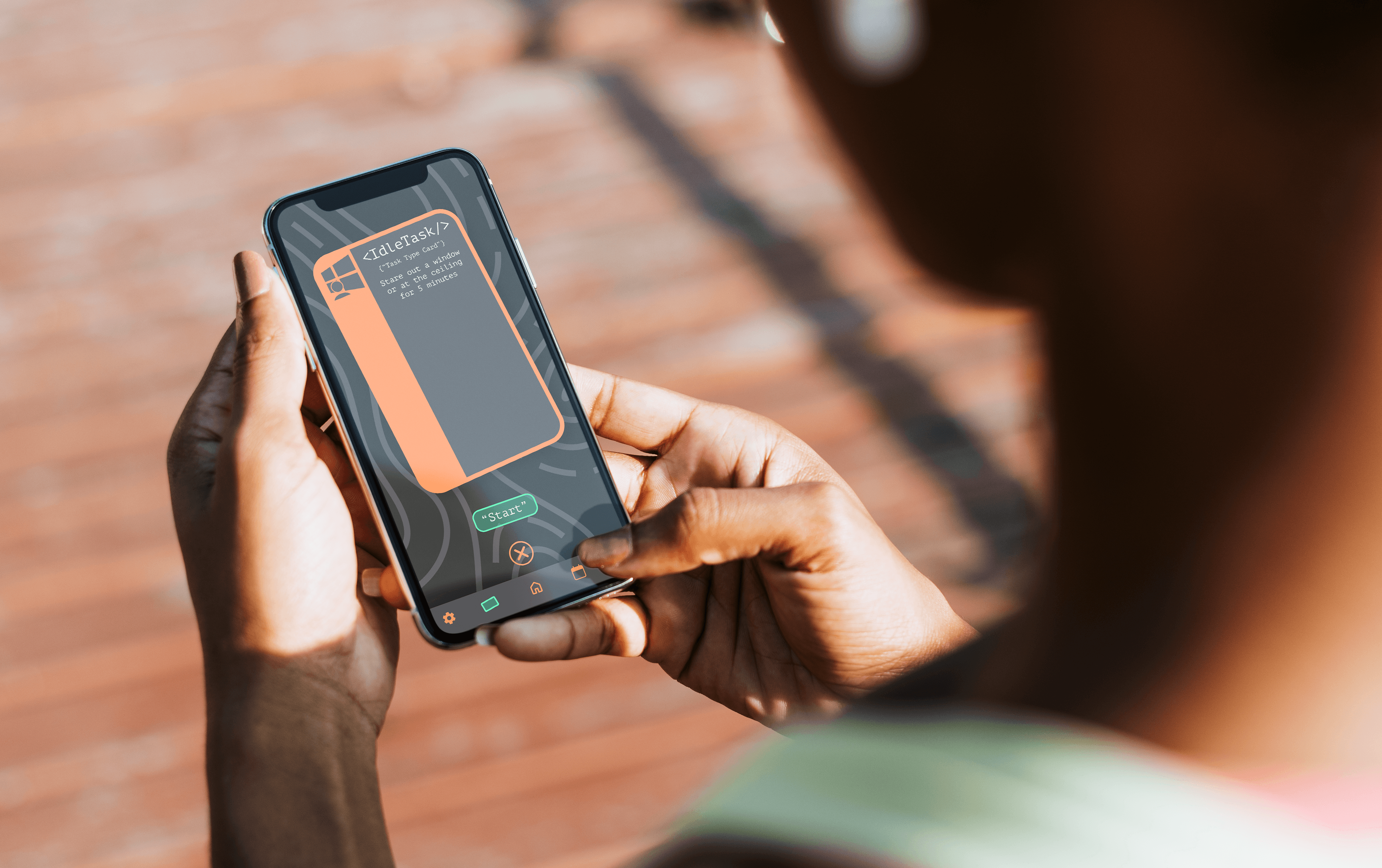
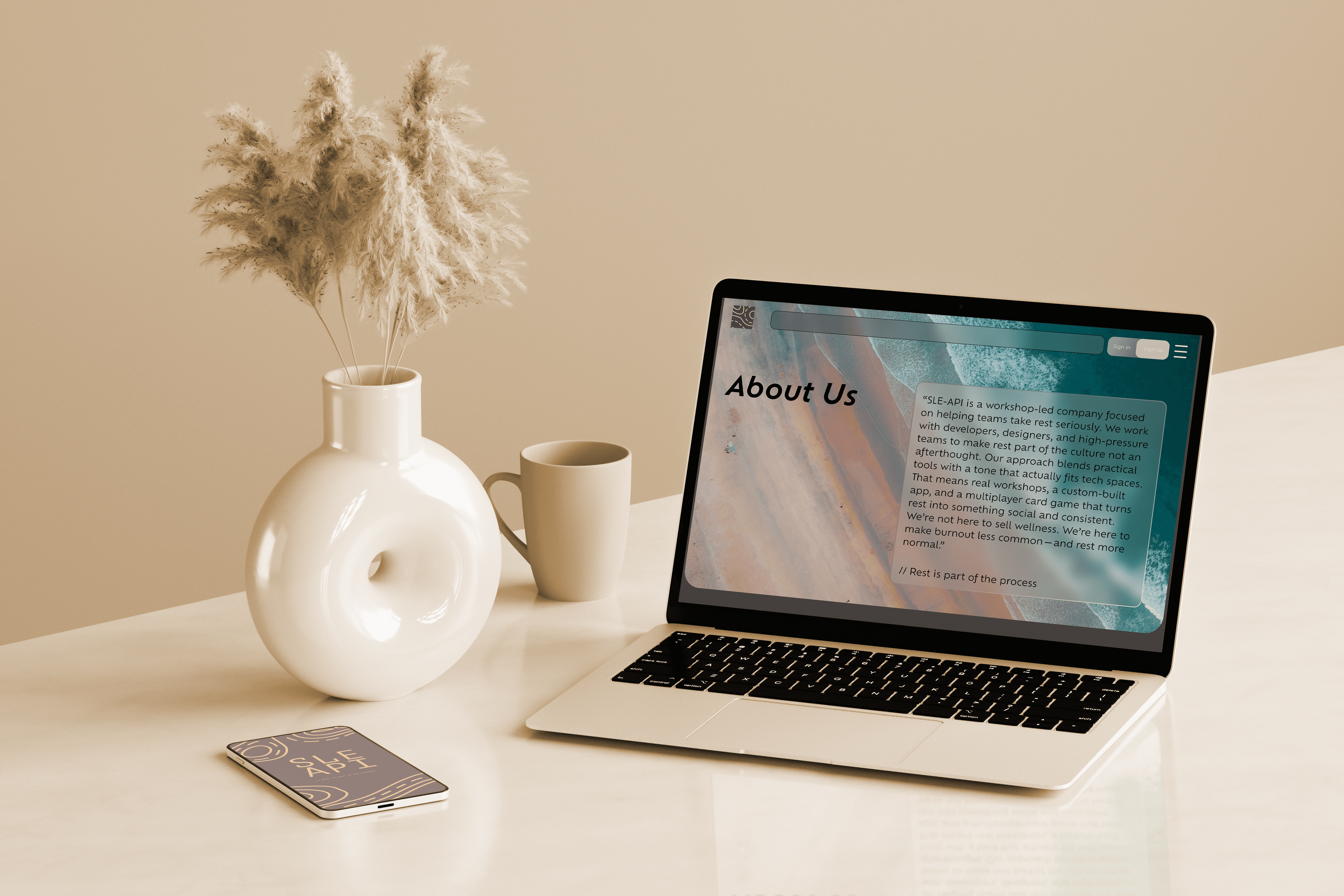
As the project developed, the focus shifted more heavily toward refining the platform’s visual identity and understanding how the system could communicate to different audiences. One of the clearest examples of systems thinking within the project came from recognising that the platform was not designed for a single user type. Instead, it needed to support both developers and organisational leadership simultaneously. This led me to develop two separate visual directions: a more modern, structured interface for developers, and a softer, more ambient experience for HR and leadership-facing systems. Designing these two experiences side-by-side pushed me to think beyond isolated interfaces and instead consider how multiple users, emotional contexts, and communication styles could coexist within one connected system.

One of the biggest insights I developed throughout the project was that burnout itself functions as a system rather than a single problem. Through research, I identified how workplace expectations, communication patterns, emotional fatigue, and organisational culture all contribute to burnout over time. This shifted my thinking away from designing isolated screens and toward designing connected behavioural systems. Although SLE-API remained a conceptual student project, it became one of the strongest learning experiences in my development as a designer, fundamentally changing how I approach prototyping, systems thinking, and UX design as a whole.

year

2025

timeframe

60 days

tools

FIgma, Photoshop, Illustrator, VScode

Project type

Student Project

Team Lead

01

Entrepreneurs engaging in a lively discussion during a Bizz Buzz networking event.

02

A user shares valuable insights and experiences with fellow entrepreneurs through Bizz Buzz's industry-specific groups.

03

Bizz Buzz's advanced matchmaking algorithms help entrepreneurs discover potential collaborators based on their specific needs and expertise.

.contact

I'm always happy to talk design, ideas, or potential projects!


.contact

I'm always happy to talk design, ideas, or potential projects!